
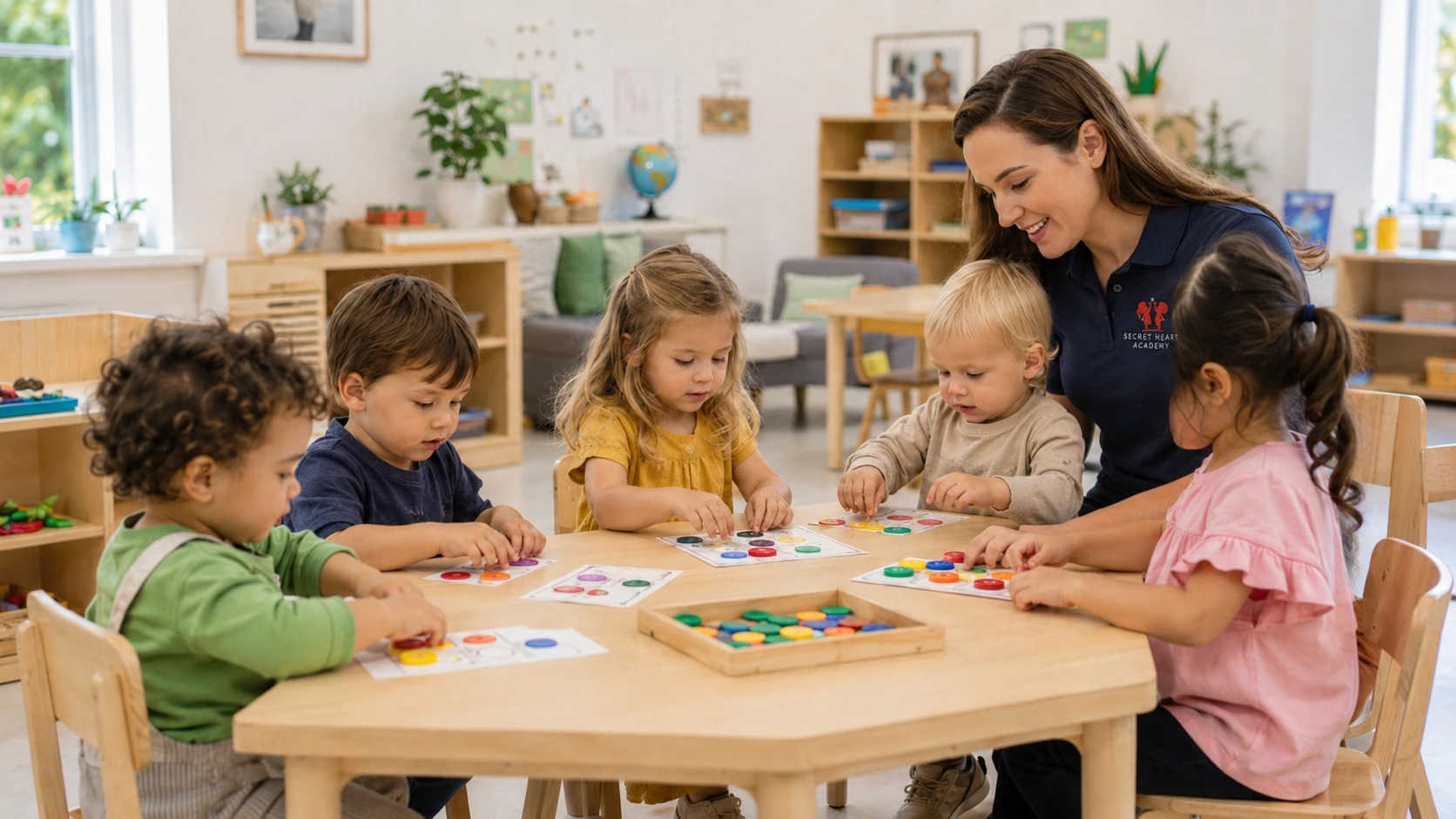
Learning together, like a family
In a mixed-age room, younger children stretch toward older peers and older children grow through mentorship, building empathy, leadership, and a real sense of belonging.
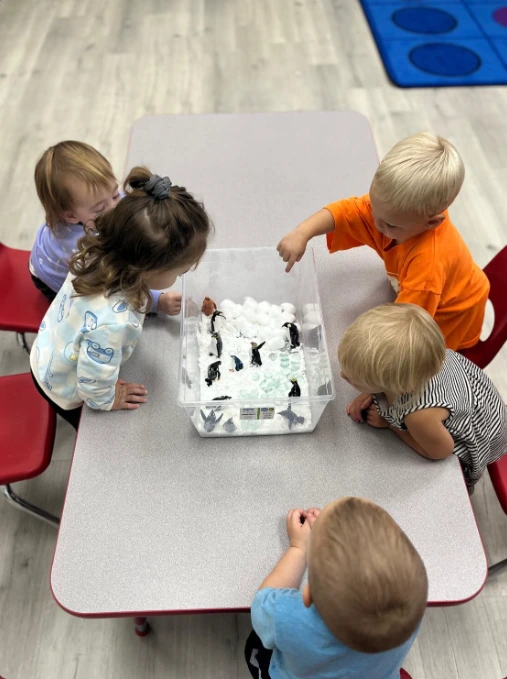
Learning Across Ages
Our Multi-Age Program brings children of different ages together in one nurturing classroom where they learn alongside one another every day. Younger children gain confidence by observing older peers, while older children develop leadership, empathy, patience, and responsibility by supporting younger classmates.
A Community of Learners
Our education-based, whole-child curriculum is thoughtfully adapted to meet the individual developmental needs of every child. Activities are planned with flexible learning goals, allowing children to participate at their own level while building literacy, numeracy, communication, creativity, problem-solving, and social-emotional skills.
Meaningful Learning Experiences
Children participate in guided learning, collaborative projects, creative arts, science exploration, outdoor play, practical life activities, music, movement, and hands-on discovery. Mixed-age learning encourages teamwork, respectful communication, cooperation, and confidence as children learn from both educators and one another.
Guided by Experienced Educators
Our qualified educators carefully observe each child's interests, strengths, and stage of development to provide individualized guidance and meaningful learning opportunities. By balancing the needs of different age groups within one classroom, educators create an inclusive environment where every child feels challenged, supported, and valued.
Preparing Children for Life
The Multi-Age Program helps children develop more than academic skills. Daily opportunities to mentor, collaborate, communicate, and solve problems together build resilience, independence, leadership, and respect for others. These experiences create a strong foundation for future learning while fostering confidence, meaningful relationships, and a lifelong love of learning.
Learning Together. Growing Together.
Mixed Ages
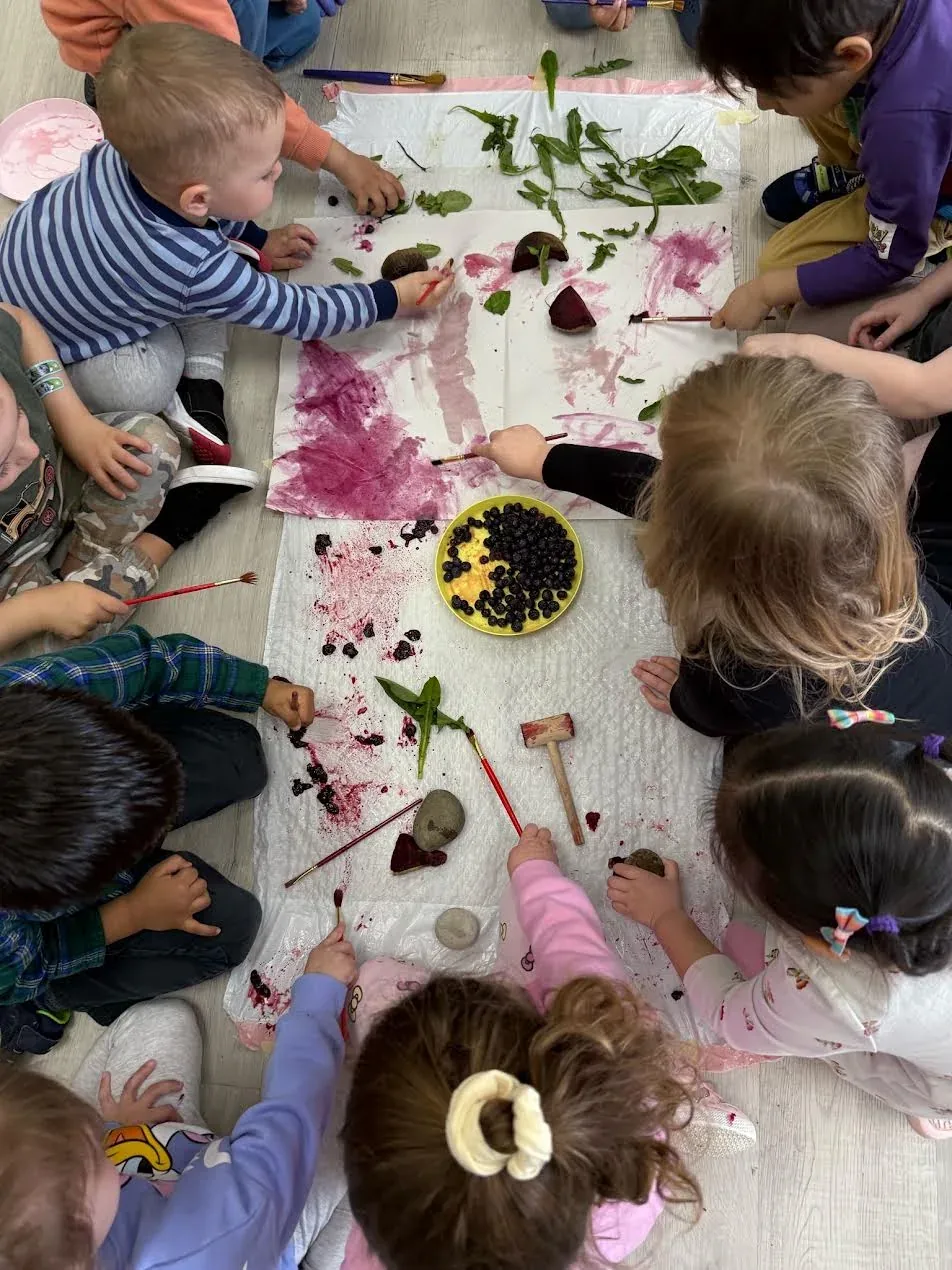
Learning from one another
Learning happens naturally as children share conversations, activities, and routines. Older children deepen their own understanding by explaining ideas, while younger children gain confidence observing more advanced abilities, supporting cognitive, communication, and social growth for all.
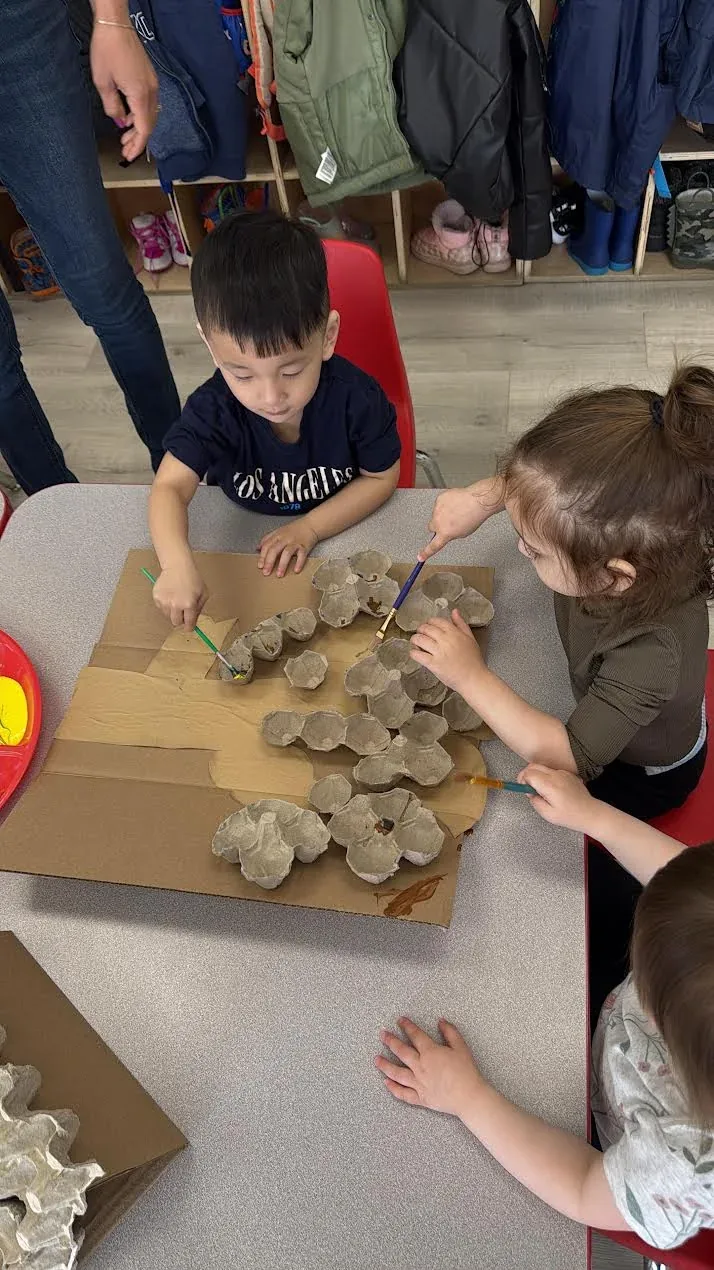
Individualized learning experiences
Children share a classroom without being expected to do identical work. Educators adapt each activity, different materials, questions, and levels of challenge, so children participate together while receiving support that builds on their strengths at a comfortable pace.
Social & emotional development
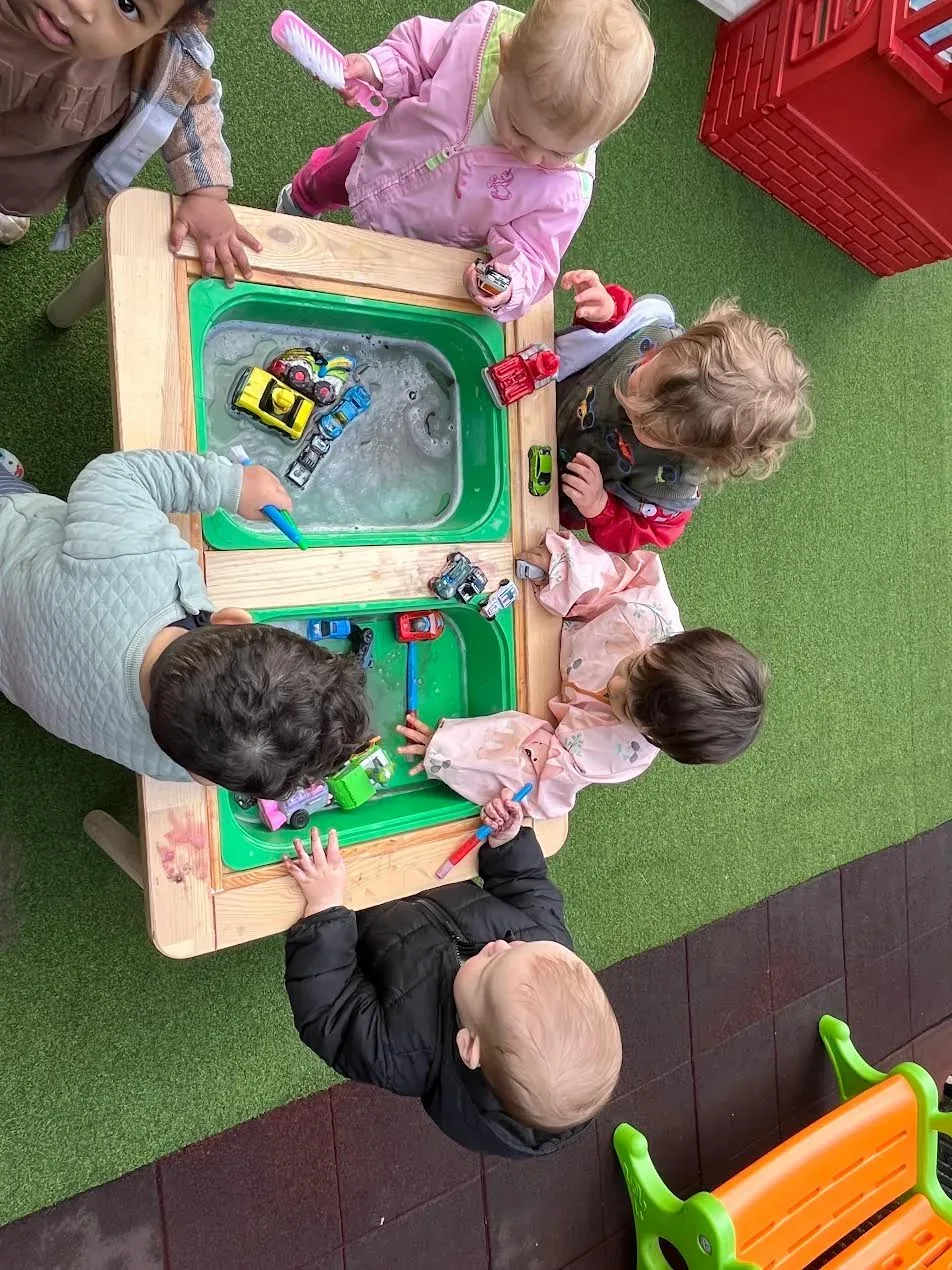
Children communicate with peers of different abilities and perspectives, practising patience, cooperation, turn-taking, and conflict resolution. Older children show care for younger classmates, who learn to seek help and join in, growing empathy and appreciation for differences.
Consistency & secure relationships
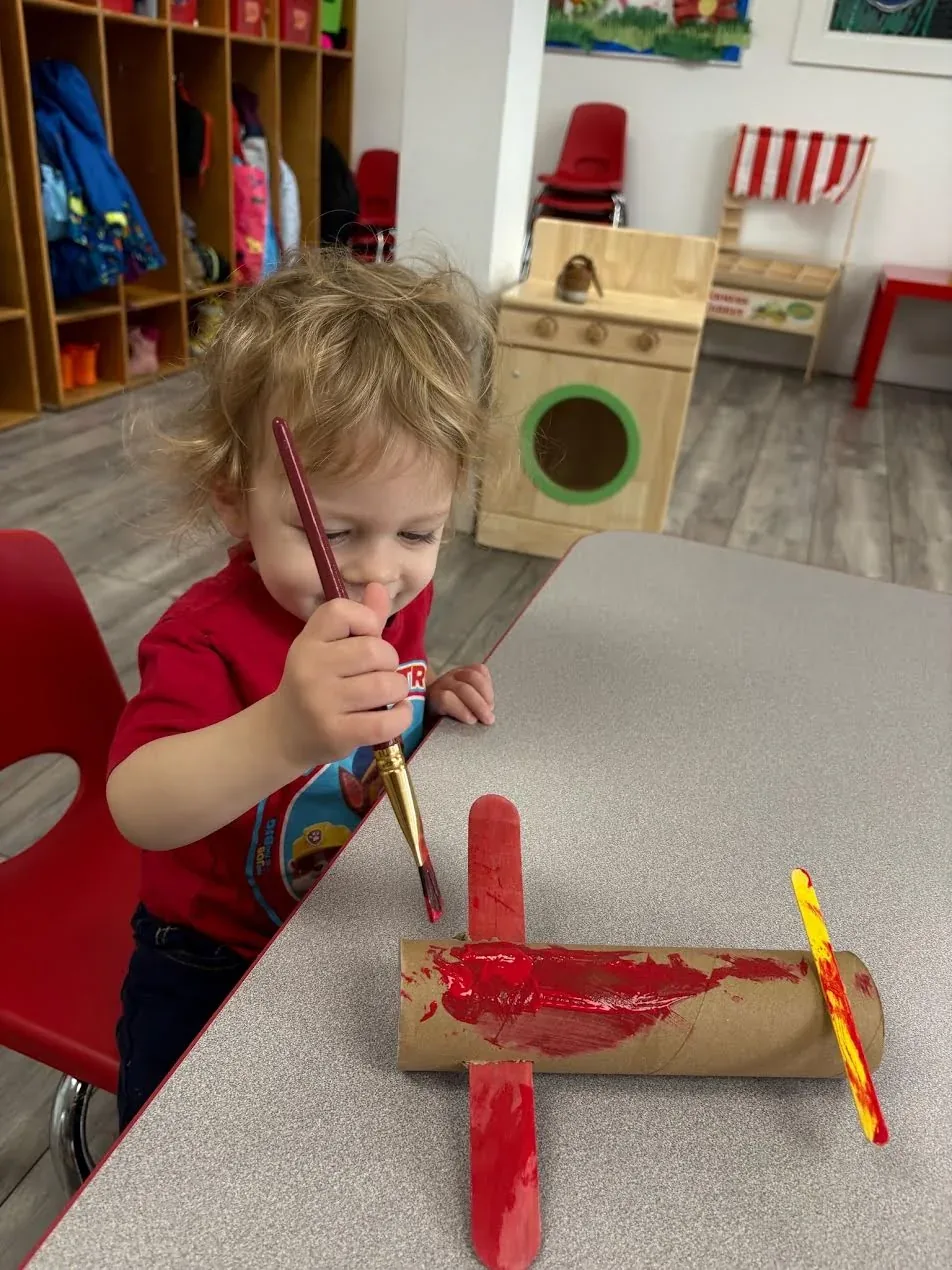
Children may stay with the same primary educators for longer rather than moving between classrooms. This continuity builds deep, trusting relationships, teachers truly know each child, and fewer transitions help children feel secure so learning continues without disruption.
Sibling connections & family convenience
Siblings may stay together in one environment, offering comfort and familiarity while still forming independent friendships. A shared location simplifies arrival and departure and lets parents communicate with one consistent team who knows each child.
Preparing children for life beyond the classroom
Like the wider world, a multi-age room mixes ages, experiences, and abilities. By learning to communicate, collaborate, guide, and care for others, children build practical relationship skills, discovering that everyone can be both a learner and a leader.
Multi-Age Program Questions Parents Ask
How mixed-age learning benefits younger and older children.