
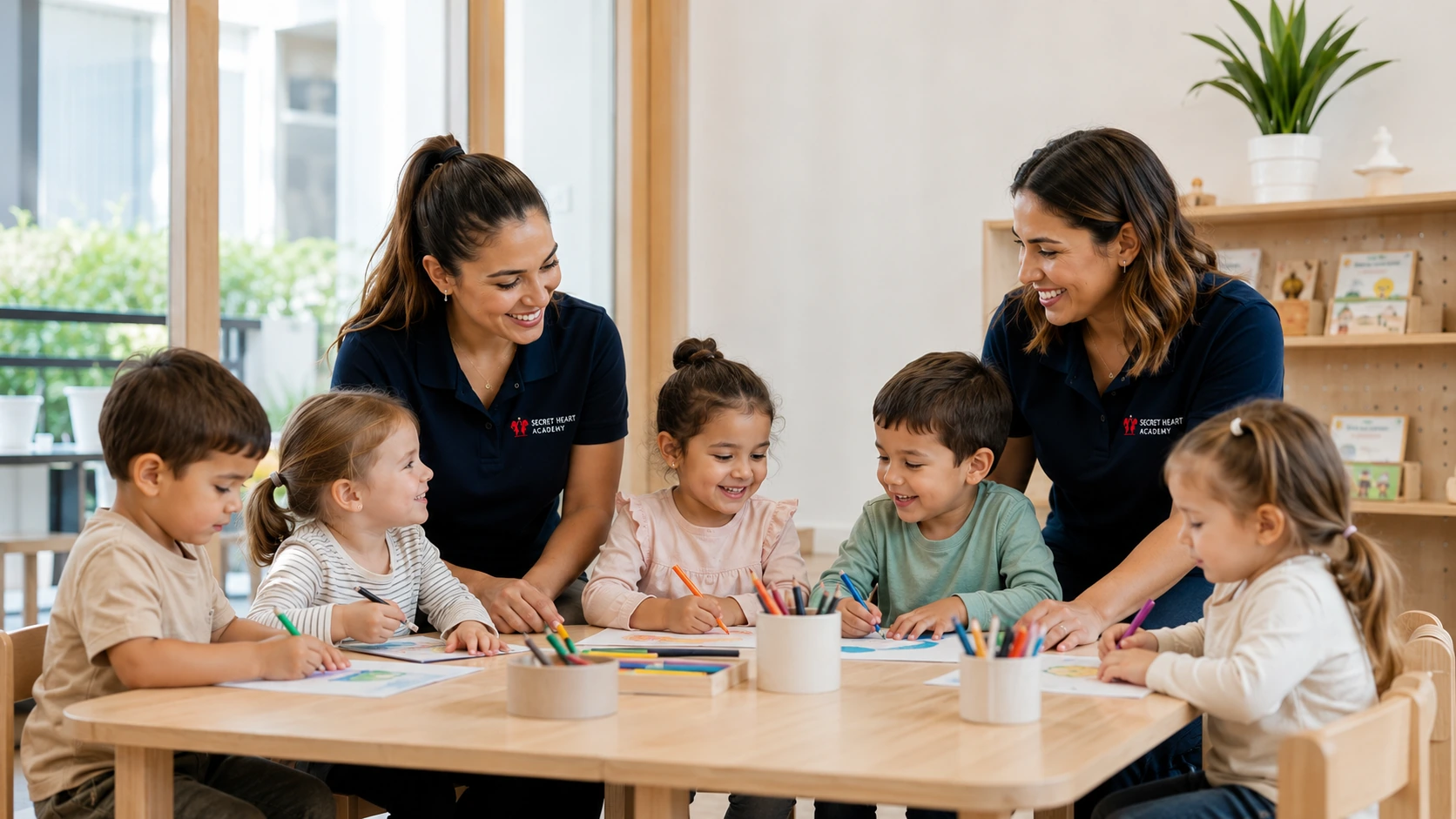
Building strong foundations for school
A comprehensive, curriculum-guided year that grows children across every area of development, and gets them ready to thrive in kindergarten.
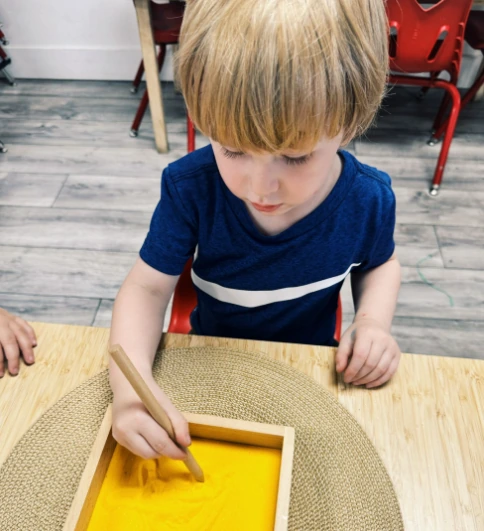
How We Work
Guided by experienced educators, the curriculum is comprehensive by design, intentional learning experiences balanced with child-led exploration, so children build knowledge and confidence together.
What Children Learn
Letter sounds and early reading, numbers and patterns, science and discovery, and the social-emotional skills that make the classroom feel safe and cooperative.
How They Learn
Through guided projects, learning centres, and hands-on investigation, children practise focus, curiosity, and problem-solving in small, supportive groups.
Who Teaches Them
Qualified educators plan each week around clear developmental goals while responding to the interests of every child in the room.
Special Activities
Role-play, building and construction, visual arts, and music and movement bring the curriculum to life across the day.
A comprehensive early learning curriculum
Our Junior Kindergarten 3–4 Program supports children as they become more independent, expressive, and eager to understand the world. Each day balances structured education, creative exploration, active play, and meaningful social experiences.
The curriculum supports the whole child, with age-appropriate learning across early literacy, mathematics, science, social-emotional growth, physical development, and the arts. Educators observe each child's progress and adapt experiences to their abilities, interests, and developmental needs.
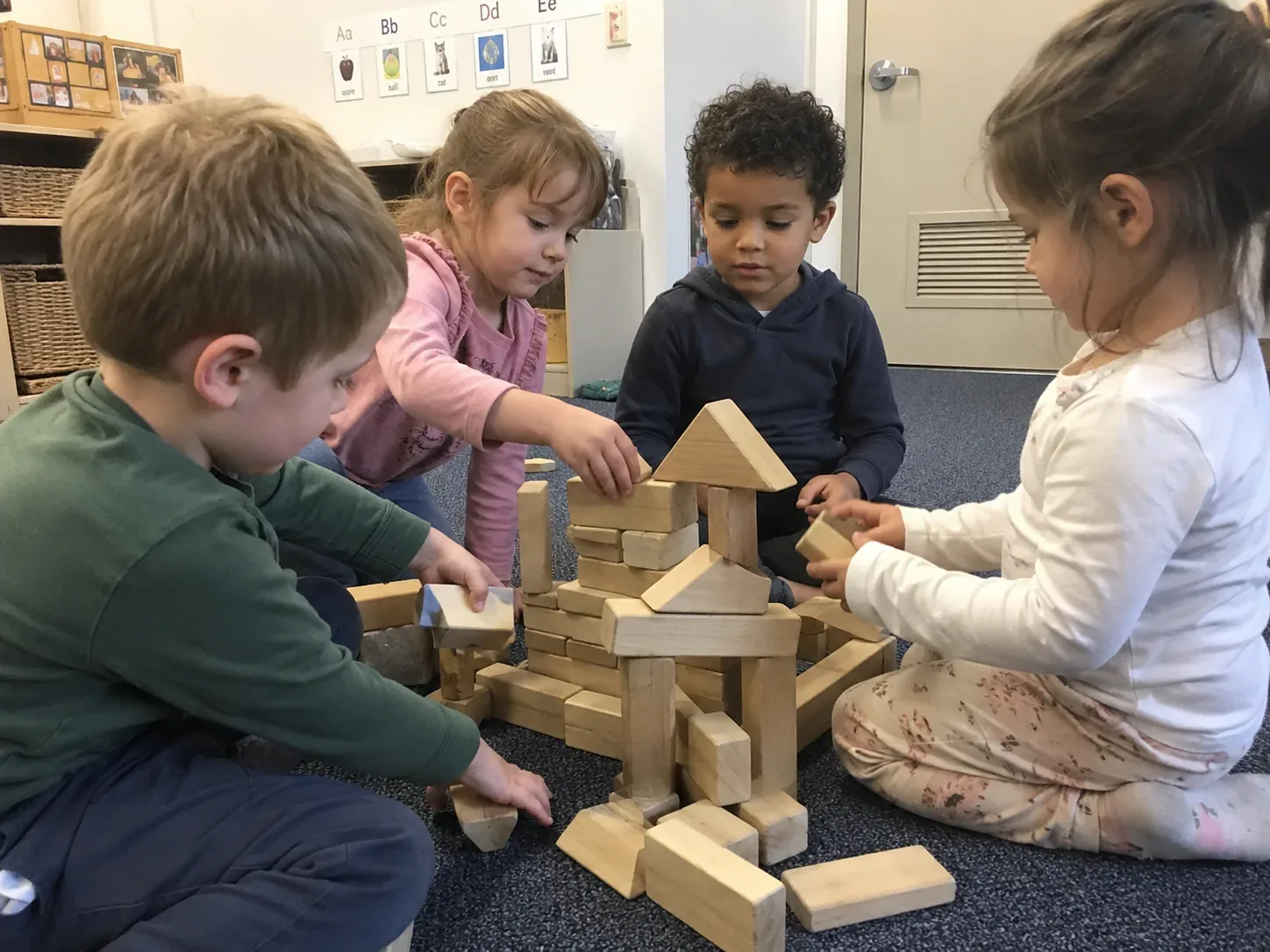
Early literacy & communication
Storytelling, conversations, songs, rhymes, and interactive reading fill every day. Children begin recognizing letters and sounds, expanding vocabulary, expressing thoughts, and listening respectfully, building strong communication and a foundation for reading and writing.
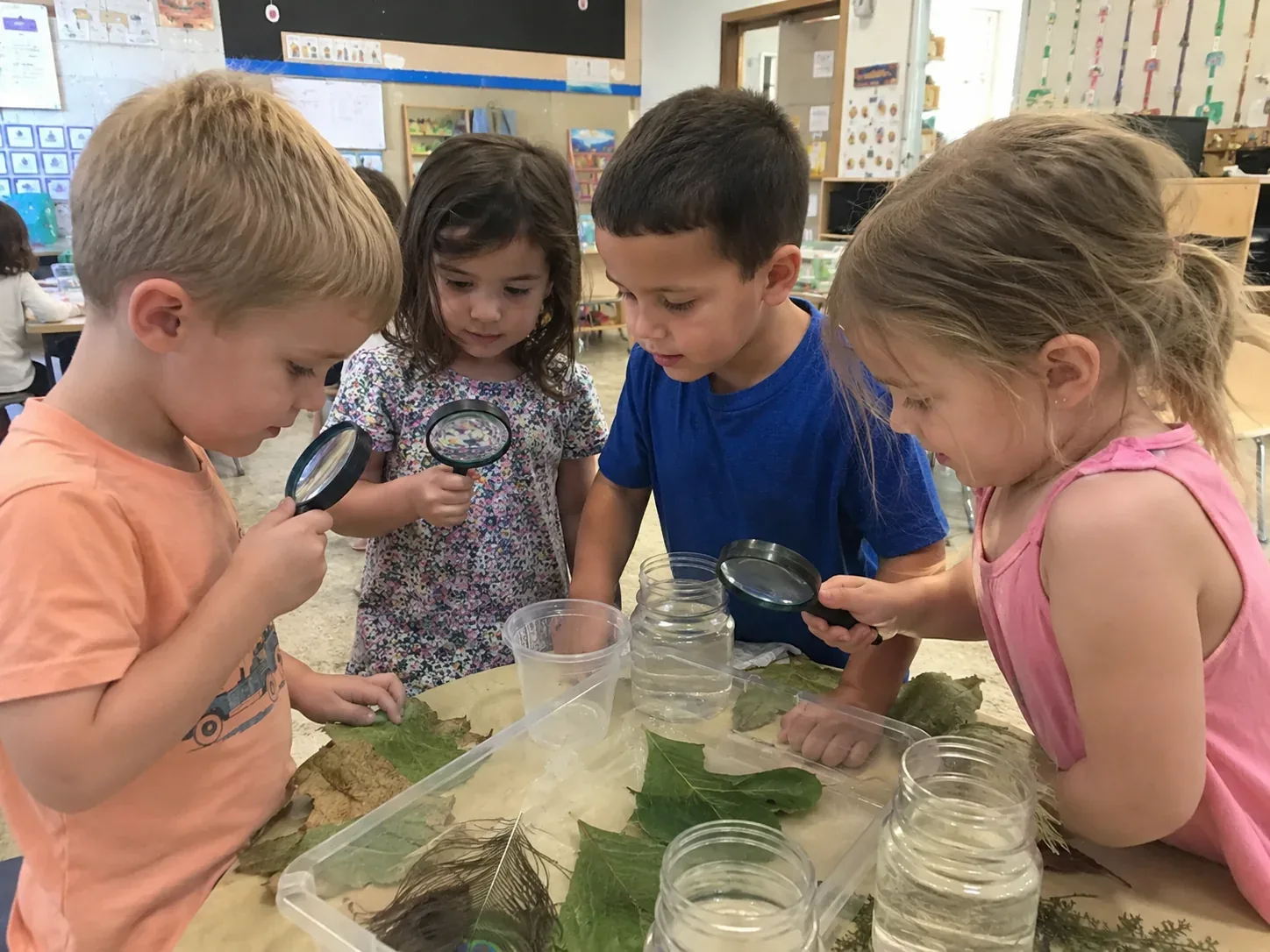
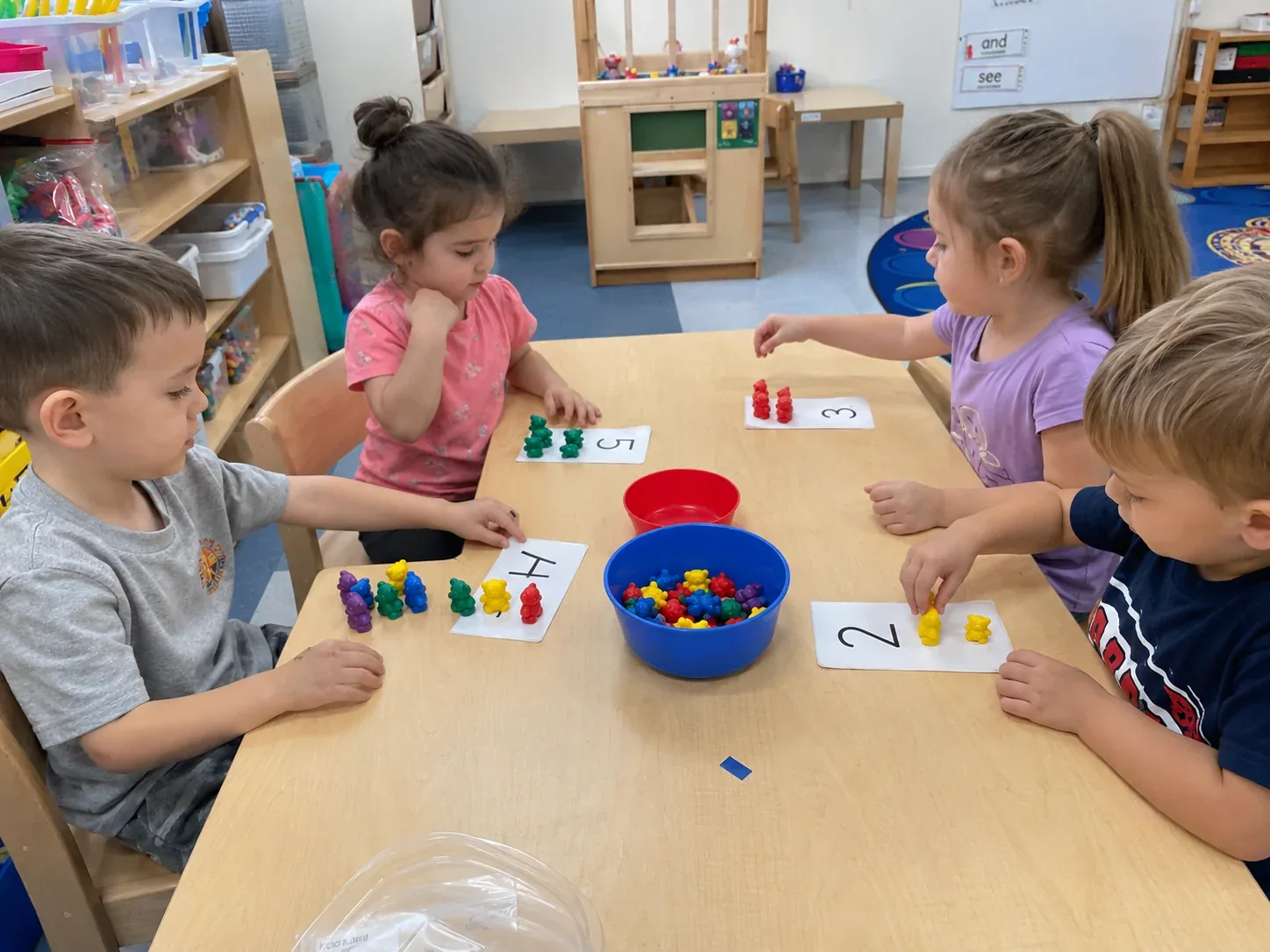
Early mathematics & problem-solving
Through hands-on activities and everyday routines, children explore counting, shapes, colours, patterns, sorting, measurement, position, and sequence. Blocks, puzzles, art, and nature items make early maths visual, interactive, and connected to the world around them.
Science & discovery
Naturally curious children observe, predict, experiment, and discuss. Exploring plants, animals, weather, water, textures, magnets, and light, they begin to understand cause and effect, notice similarities and differences, and build early reasoning and problem-solving skills.
Social & emotional development
Learning to belong to a group matters. Educators help children understand emotions, build friendships, share, take turns, and cooperate. Conflicts become learning moments, growing empathy, patience, resilience, and a stronger sense of belonging.
Creativity, movement & outdoor learning
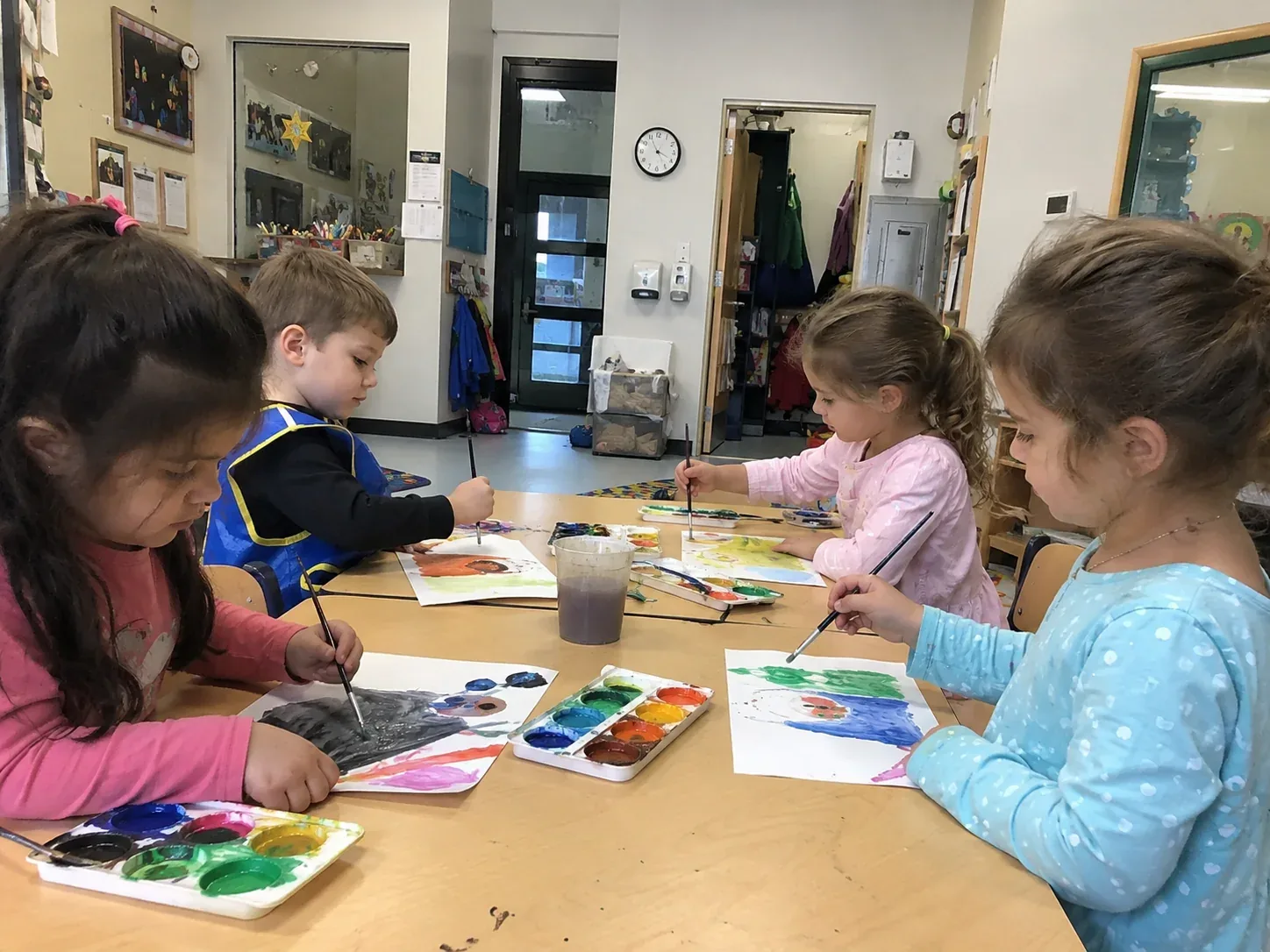
Painting, music, dramatic play, and open-ended art let children express ideas and build fine motor skills, while running, climbing, balancing, and outdoor exploration strengthen coordination, imagination, cooperation, and a growing awareness of the natural world.
Independence & the next stage
Children practise organizing belongings, cleaning up, following routines, and completing simple tasks, developing responsibility and persistence. With strong friendships, creative expression, and supportive guidance, they grow ready to take their next step with confidence.
Moving up to Junior Kindergarten 4–5
In their final year before school, children step into our most school-focused program. We plan the move together, building on the literacy, numeracy, and independence started here so the transition to Junior Kindergarten 4–5 feels natural and confident.
Explore Junior Kindergarten 4–5Junior Kindergarten 3 Questions Parents Ask
Early foundations in literacy, numeracy, and confidence.