
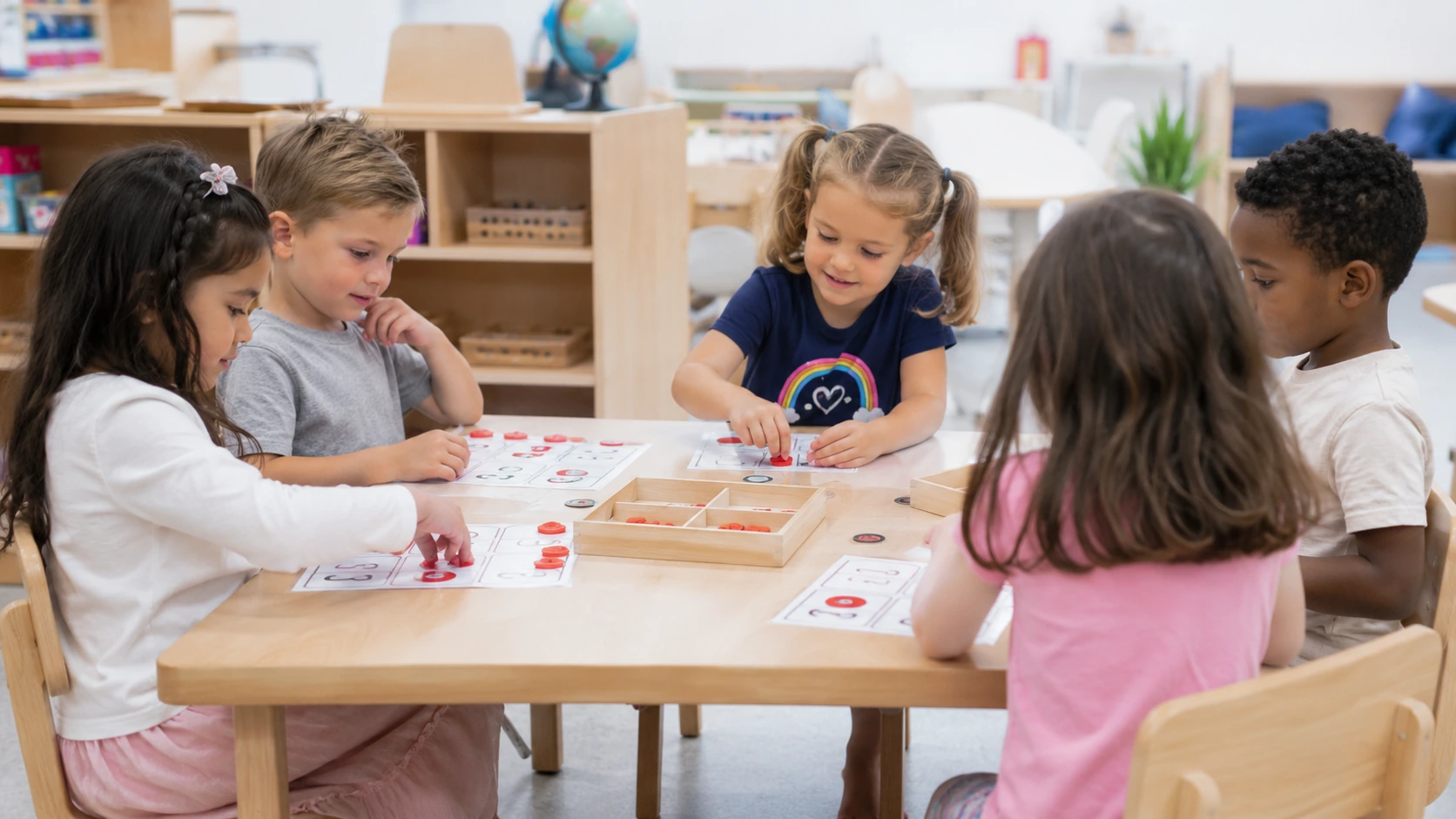
Confident and ready for kindergarten
Our most school-focused year builds the routines, independence, and academic foundations children need to step into kindergarten with confidence.
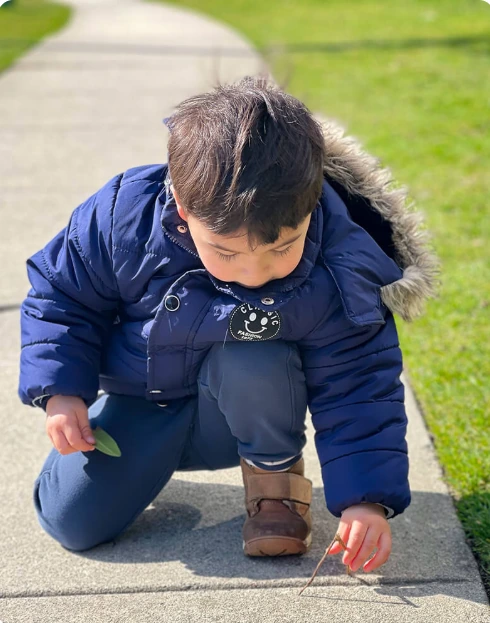
Ready for the Next Step
The year before Kindergarten is an important time for children to strengthen their independence, confidence, and academic foundations. Our Junior Kindergarten (4–5 Years) program provides a structured, engaging environment that prepares children for a successful transition into elementary school while nurturing a genuine love of learning.Our Junior Kindergarten 4–5 Program is built to help your child reach their full potential in every area of development, with a strong focus on the routines, independence, and academic foundations that school readiness requires.
Learning Beyond the Basics
Our education-based, whole-child curriculum expands on early literacy, numeracy, science, technology, creative arts, and practical life skills through purposeful, hands-on learning. Children are encouraged to think critically, ask meaningful questions, solve problems independently, and develop the confidence to express their ideas.Reading and writing readiness, early math concepts, extended focus and listening, teamwork, and the independence to manage belongings and follow multi-step routines.
- Reading readiness
- Early math
- Focus & listening
- School routines
Developing Skills for Life
Learning extends far beyond academics. Through collaborative projects, guided instruction, STEM exploration, creative experiences, outdoor learning, and leadership opportunities, children strengthen communication, teamwork, emotional regulation, resilience, responsibility, and decision-making skills that support lifelong success.Through educator-led lessons, collaborative projects, and increasingly independent work that mirrors the rhythm of a kindergarten classroom.
Guided by Dedicated Educators
Our experienced educators provide individualized support while encouraging children to become confident, capable, and independent learners. Classroom experiences are thoughtfully planned to challenge children at an appropriate level, helping them build responsibility, self-confidence, and a positive attitude toward learning.Experienced educators partner with families to track each child’s progress and ensure a smooth, confident transition to school.
Confident, Capable, Kindergarten Ready
By the end of the program, children have developed the academic, social, emotional, and practical skills needed to begin Kindergarten with confidence. They leave Secret Heart Academy as curious learners, respectful classmates, effective communicators, and independent problem-solvers, well prepared for the exciting journey ahead.Show-and-tell, STEM challenges, storytelling and journaling, and creative arts strengthen communication and creative thinking.
A strong foundation for elementary school
Our Junior Kindergarten 4–5 Program helps children build the academic, social, emotional, and practical skills they need for a successful transition into elementary school, balancing teacher-guided instruction, hands-on discovery, creative exploration, and group collaboration.
Our goal isn't simply to prepare children for their first day of school, but to give them the confidence, curiosity, learning habits, and foundational knowledge to succeed throughout their educational journey. Individual and small-group experiences let educators guide each child at their own pace.
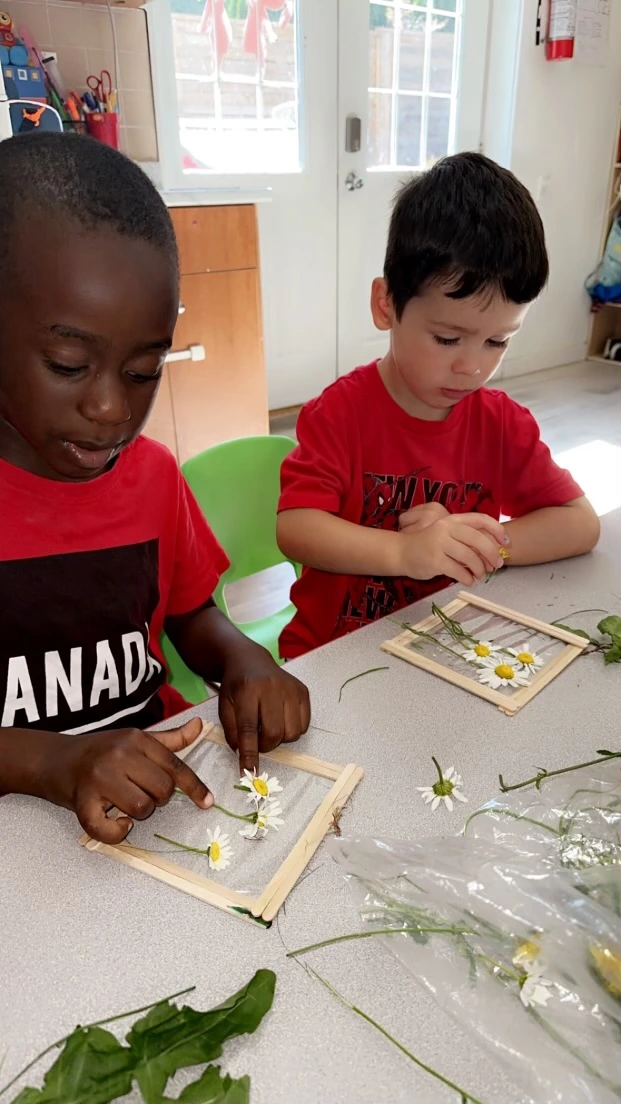
Reading, writing & language
In a literacy-rich classroom, children explore letter sounds, phonological awareness, vocabulary, storytelling, name writing, and early sentences. They retell stories, make predictions, and speak in group discussions, building confident communication and a foundation for reading and writing.
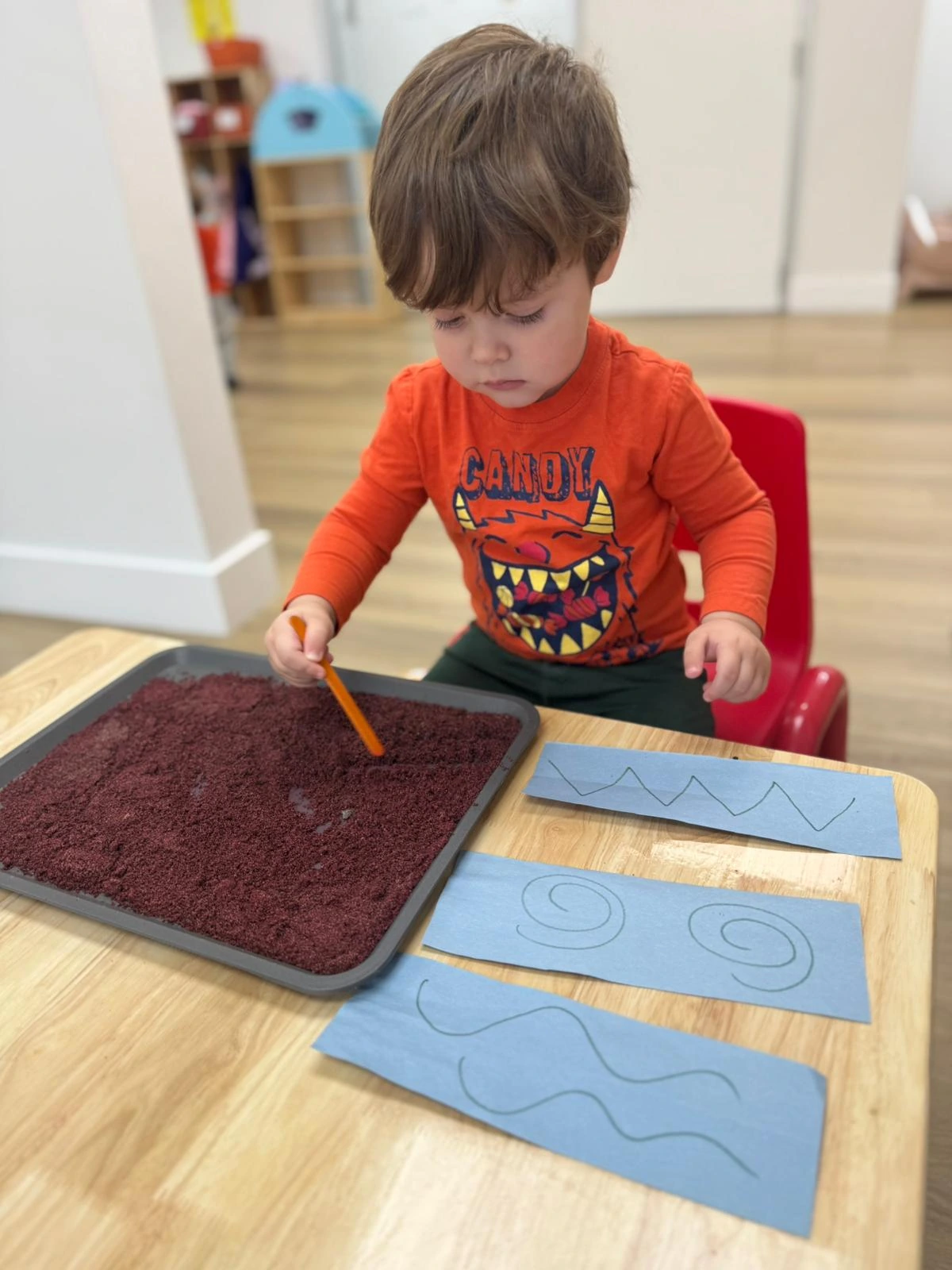
Mathematics & early numeracy
Through hands-on games and routines, children explore counting, one-to-one correspondence, simple addition and subtraction, shapes, patterns, sorting, measurement, and early graphing, explaining their thinking and connecting numbers to everyday life with blocks, counters, and learning centres.
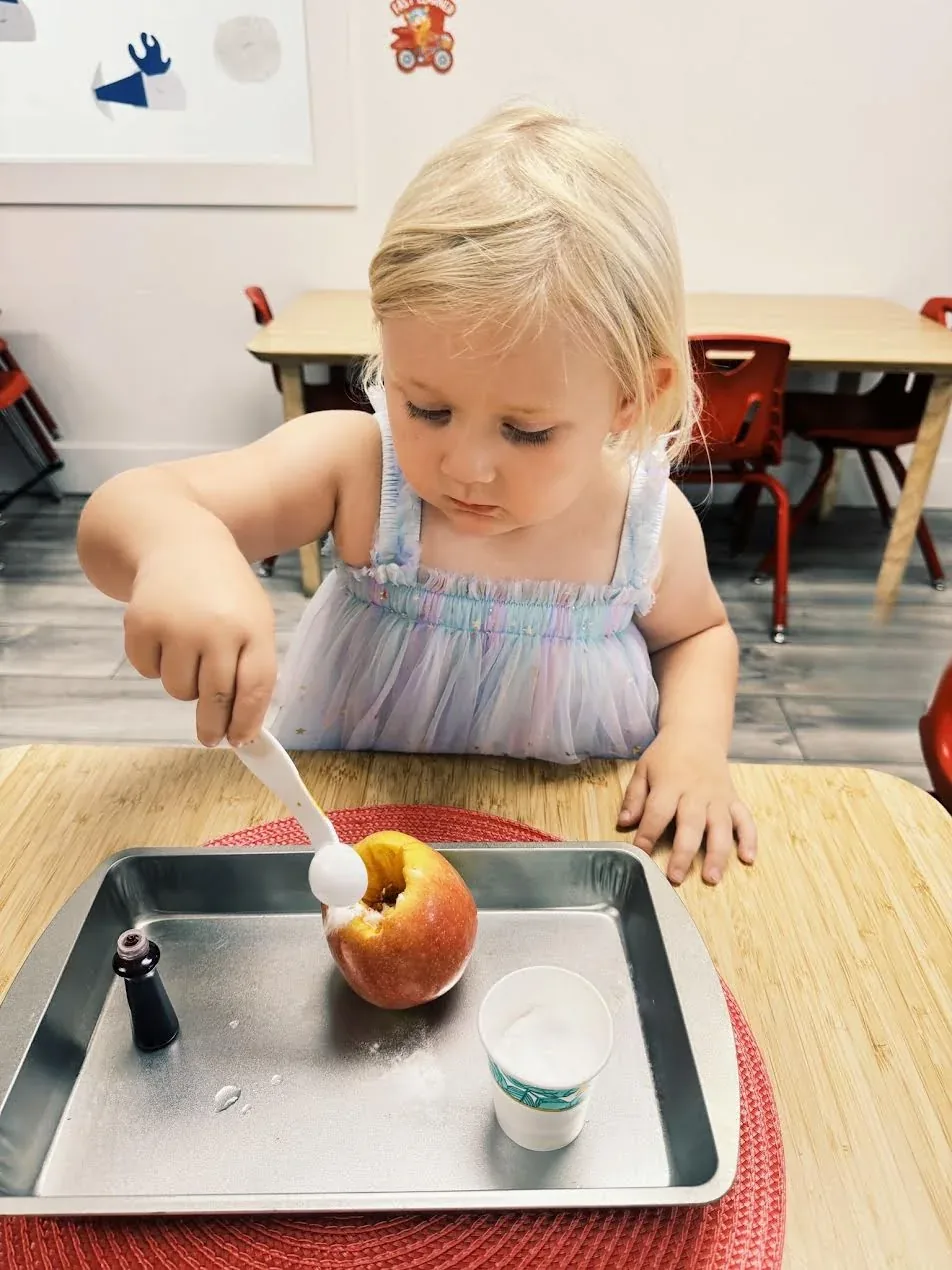
Science, inquiry & thematic learning
Children observe, question, predict, and experiment across topics like plants, weather, light, sound, and magnets. Engaging thematic units connect science, art, maths, music, and dramatic play, so children see relationships between subjects and apply knowledge in meaningful ways.
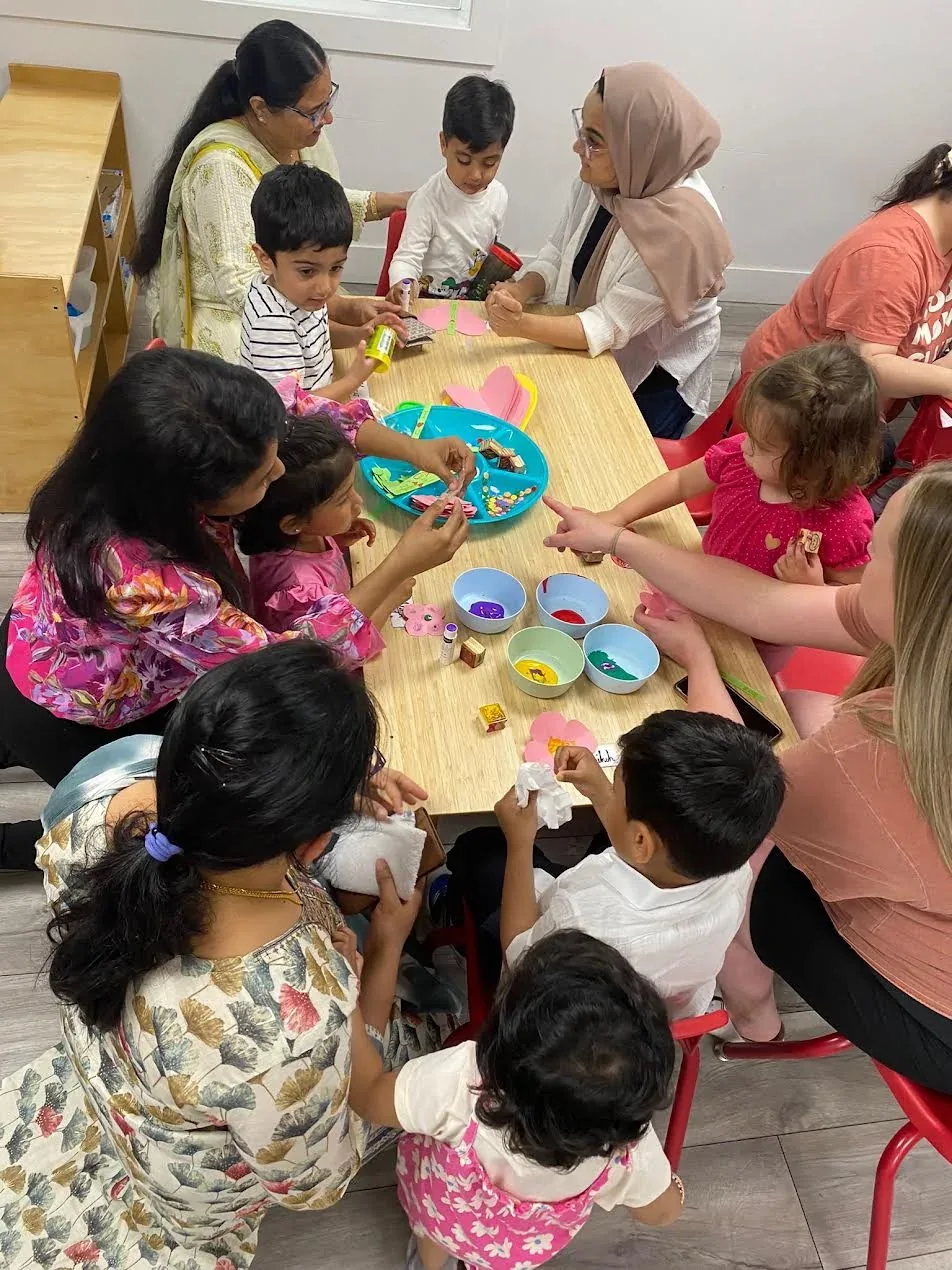
Hands-on learning centres
Thoughtfully prepared centres, reading, maths, science, art, dramatic play, blocks, sensory, music, let children explore independently, with peers, or with educator support, making choices, investigating interests, and taking greater responsibility for their own learning.
Independence, leadership & problem-solving
Children manage belongings, follow multi-step routines, and take on classroom responsibilities, leading simple activities and supporting peers. Open-ended challenges invite them to test ideas, explain choices, and try again, becoming flexible, confident thinkers.
Social growth & a positive transition
Children learn to express emotions, resolve conflicts with words, cooperate, and adapt to change, while gross and fine motor activities and outdoor exploration build coordination and confidence. They finish the program capable, prepared, and excited for elementary school.
Ready for elementary school
This is a child’s final year with us before they start school. Our goal is a confident, capable start, children who listen, follow routines, manage their belongings, ask for help, and feel excited to learn. We support the transition, though we don’t replace the public-school kindergarten curriculum.
Book a TourJunior Kindergarten 4 Questions Parents Ask
School readiness, early academics, and independence.